Agri-Pozz: Agricultural Applications
Volcanic Power for Living Soils
For millennia, volcanic regions have produced the world's most fertile soils. Ancient farmers discovered that volcanic ash creates soil that holds more water, feeds more life, and grows stronger crops. Now, that same volcanic power is available as Agri-Pozz™—Class N natural pozzolan from Southern California.
Agri-Pozz is finely milled volcanic pumicite—a natural soil conditioner containing 70% amorphous silica, essential micronutrients, and a porous structure that transforms how soil holds water, air, and nutrients. It's not a chemical fertilizer—it's a mineral upgrade to the soil itself.
The Science Behind Volcanic Ash as Fertilizer
The Science Behind Volcanic Ash as Fertilizer
Breakthrough Research on Soil Microbiome
Recent breakthrough research from UC San Diego showed that adding just 3% volcanic ash to soil tripled plant growth by completely restructuring the soil microbiome. It stimulates beneficial bacteria, suppresses harmful organisms, and turns ordinary soil into a biological powerhouse that feeds plants naturally and efficiently.
Catalytic Mechanism of Action
Volcanic ash is a multi-nutrient mineral fertilizer whose catalytic mechanism of action replenishes trace metals necessary to soil bacterial enzymes for the efficient biogeochemical cycling of key elements such as nitrogen, carbon, phosphorus, and sulfur. This catalytic activity ensures use of relatively small amounts to fertilize large soil surfaces.
Research by Zakharikhina and Litvinenko in Russia's Kamchatka demonstrated that volcanic ash applied at rates of only 2.5–7.5 tons per hectare (250–750 g/m²) in combination with traditional mineral fertilizers resulted in potato yield increases averaging 47–62%. The scholars concluded that the greater yields were not due simply to additional nutrients, but rather to the catalytic activity of numerous trace metals (Mn, Zn, Mo, Cu, Fe) present in volcanic ash, which accelerate the development and reproduction of beneficial bacterial cells in soil microflora.
Documented Performance Results
Field trials and peer-reviewed research demonstrate compelling benefits:
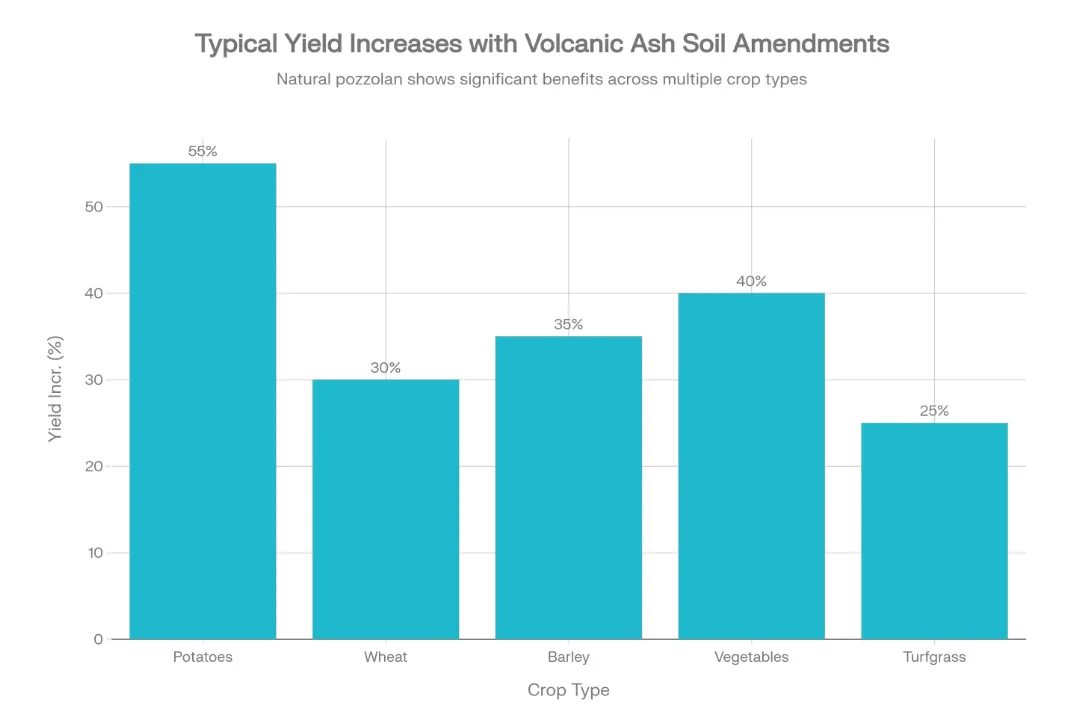
Potato yields increased 56–67% in desert agriculture applications with pozzolan mulch while dramatically cutting water consumption
47–62% average yield increase for potatoes grown in Kamchatka volcanic soils fertilized with volcanic ash at 2.5–7.5 t/ha
Tripled plant growth in UC San Diego studies by restructuring soil microbiome with just 3% volcanic ash addition
32% yield increase in annual forage grasses with enhanced raw protein content
60% reduction in evaporation in desert and semi-arid regions, holding irrigation water in root zones
Growing Food in the Desert
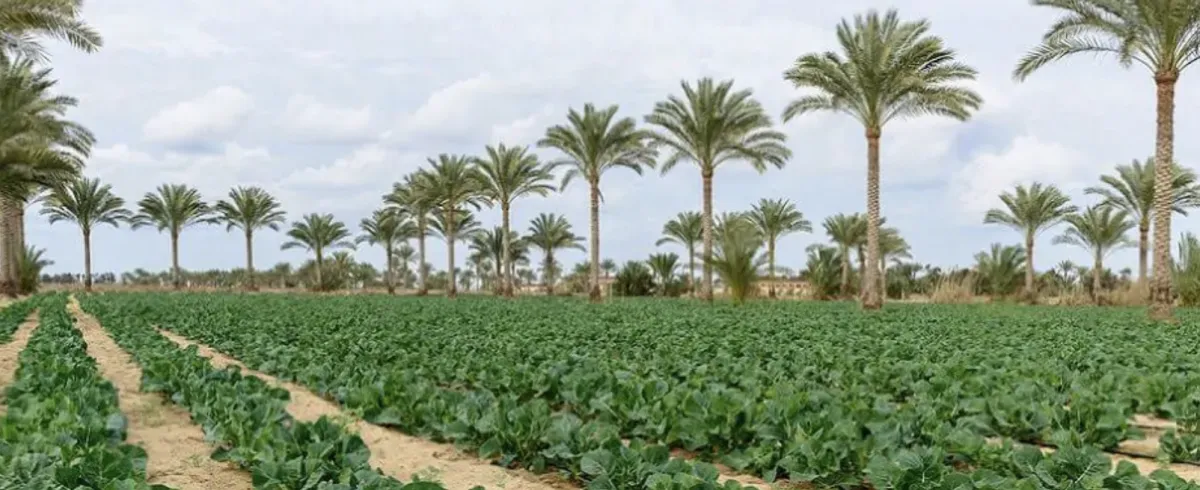
One of Agri-Pozz's most remarkable applications is transforming arid land into productive farmland. In desert and semi-arid regions where water is scarce and soil is poor, Agri-Pozz acts like a sponge—holding precious irrigation water in the root zone, reducing evaporation by up to 60%, and allowing crops to thrive where they previously struggled.
Field trials with pozzolan mulch increased crop yields by 56 to 67% while dramatically cutting water consumption. What was once arid land can now be used as farmland because of Class N pozzolan's inherent water retention and soil conditioning attributes.
Agricultural Applications
Row Crop Agriculture
For row crop agriculture (corn, soybeans, wheat), blend Agri-Pozz into base fertilizers or apply as a soil conditioner at 400 to 2,000 pounds per acre. It reduces nitrogen loss, prevents nutrient runoff, and improves water-holding capacity—meaning your fertilizer investment works harder and lasts longer.
Specialty Crops
In high-value specialty crops and permanent plantings like orchards and vineyards, Agri-Pozz improves rooting volume, buffers moisture extremes, and provides slow-release silicon and micronutrients that strengthen plant cell walls and improve stress tolerance. Better roots mean healthier plants and higher-quality yields.
Protected Agriculture (Greenhouses & Nurseries)
In greenhouse and nursery production, use Agri-Pozz as a cost-effective alternative to perlite in growing mixes. It provides superior aeration, moisture management, and long-term mineral nutrition at a fraction of the cost—perfect for organic and regenerative growing systems. Acting similar to perlite, at a fraction of the cost, it can safely condition growing media, improving crop yields and water retention.
Golf Course & Professional Turf
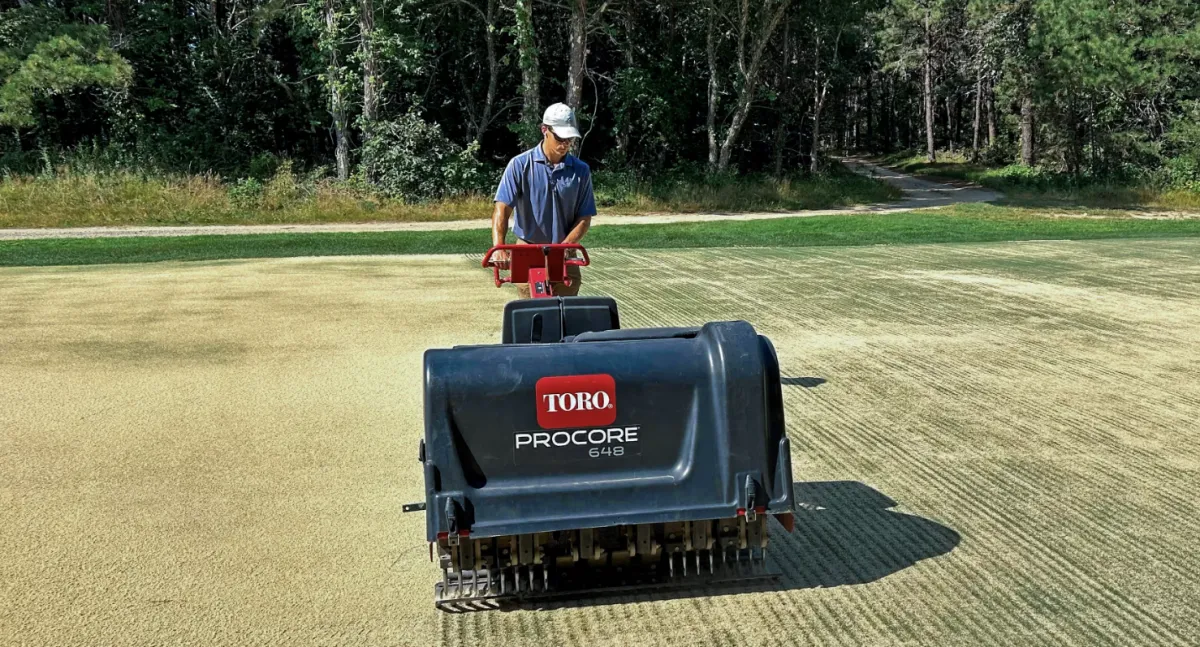
Golf courses and professional turf operations face intense pressure to reduce water use while maintaining championship playing conditions. Agri-Pozz integrated into rootzone mixes and topdressing programs provides plant-available silicon that reduces disease by 20 to 40%, improves drought tolerance, and enhances wear recovery—all while cutting irrigation requirements. With over 16,000 courses in North America spending 8 to 10 billion dollars annually on maintenance, this represents a massive market for proven, sustainable solutions.
Mineralogical Composition and Soil Benefits
Premium Class N Specification
Agri-Pozz meets ASTM Class N pozzolan specifications—the highest grade available:
70% Silica (SiO₂)* – Primary reactive component for plant strength and disease resistanc
15% Alumina (Al₂O₃) – Enhances soil structure and nutrient retention
2.4% Iron Oxide (Fe₂O₃) – Essential micronutrient for plant metabolism
Essential trace minerals – Including calcium, magnesium, potassium, and micronutrients necessary for soil enzyme function
Soil Conditioning Mechanism
Agri-Pozz's porous volcanic structure provides:
Improved water retention – Holds irrigation water in root zones like a sponge
Enhanced nutrient retention – Prevents nitrogen loss and nutrient runoff
Superior aeration – Reduces soil compactness and improves root penetration
Long-term mineral nutrition – Slow-release silicon and micronutrients season after season
Environmental Benefits
Natural & Sustainable Solution
Agri-Pozz fulfills the principles of the emerging circular economy by reusing naturally available volcanic materials previously underutilized in agriculture. Unlike synthetic fertilizers that spike and wash out, raise salt loads, and can degrade soil structure over time, Agri-Pozz builds long-term soil health, supports beneficial microbes, and provides slow-release nutrition that works season after season.
Water Conservation & Reduced Runoff
Agri-Pozz reduces nutrient leaching, cuts water waste, and minimizes chemical runoff—protecting groundwater and surface water quality. It's compatible with organic systems, regenerative practices, and sustainable agriculture certifications. One application keeps working for years, building cumulative soil improvement with each season.
Carbon Capture Through Soil Formation
Research by Fiantis and colleagues in Indonesia demonstrated that newly deposited volcanic ash accumulates soil organic carbon at a rate of 1.8–2.5 tons CO₂ per hectare per year through the establishment of lichens and vascular plants. Volcanic ash with 0% carbon can transform into soils with around 10% organic carbon, capturing atmospheric CO₂ in stable soil organic matter.
Market Validation & Scientific Support
This isn't marketing hype—it's backed by peer-reviewed science. Universities are investing millions in research on silicon and volcanic materials for agriculture. The USDA, golf industry organizations, and agricultural research institutions are all prioritizing water-efficient, sustainable soil amendments.
Key research validating volcanic ash as agricultural fertilizer includes:
Ciriminna et al. (2022) – "Volcanic ash as multi-nutrient mineral fertilizer: science and early applications," documenting catalytic mechanism and global field trial results
Zakharikhina & Litvinenko (2016–2021) – Series of studies in Kamchatka demonstrating 47–62% yield increases with small volcanic ash applications
Fiantis et al. (2016–2021) – Indonesian research on carbon capture, soil formation, and agricultural applications of volcanic ash
UC San Diego (referenced 2024) – Breakthrough research showing tripled plant growth through soil microbiome restructuring
Fertilizer Manufacturing Applications
For fertilizer manufacturers, Agri-Pozz offers a premium ingredient for next-generation product lines. Formulate volcanic ash-enhanced blends that position your brand as innovative and sustainable. Target regenerative agriculture markets, drought-prone regions, and environmentally conscious growers who demand natural, effective solutions.
Supply & Availability
Reliable Long-Term Supply
Environmental Minerals operates a Southern California deposit with over 250 million tons of reserves a 500-plus year mine life at full production. We offer:
Competitive pricing with early order and bulk discounts
Bulk transport delivery from major highway access 2 hours north of Los Angeles
Essentially limitless supply – 4,000 acre site ensures operations never face shortages or price volatility
Available Spring 2026
The Simple Story
Agri-Pozz starts as volcanic ash—the same material that built the world's most fertile soils. Milled into a consistent, natural pozzolan, it improves how soil holds water, air, and nutrients. Research shows volcanic materials triple plant growth by working with soil biology, not against it. Apply it once, and it keeps working season after season as a durable mineral foundation that makes all your other inputs perform better.
Agri-Pozz. Because the best fertilizer works with nature, not against it.
Natural Pozzolan for Golf Course Turfgrass: Composition and Advantages
Natural pozzolan is a volcanic material with properties that make it highly attractive for agricultural and turfgrass applications. It typically contains 50–75% amorphous silica (SiO₂) in bioavailable forms, along with essential micronutrients such as iron, magnesium, calcium, and potassium. Its high cation exchange capacity allows it to retain nutrients effectively, while its porous structure improves soil water infiltration, moisture retention, and aeration.
Unlike synthetic silicon fertilizers, natural pozzolan delivers multiple benefits simultaneously. It provides silicon nutrition through the gradual dissolution of amorphous silica, improves soil physical properties such as water infiltration and moisture retention, and supplies micronutrients in a slow-release form. Recent research on volcanic ash also suggests a potential role in enhancing soil microbial communities.
EMI’s natural pozzolan deposits offer large-scale, geologically uniform material with consistent mineralogy. This consistency is critical for reproducible agricultural and turfgrass research.
Scientific Foundation: Recent Research Breakthroughs
Volcanic Ash Triples Plant Growth Through Microbiome Engineering (2025)
A landmark study by Staudigel et al. from the UC San Diego Scripps Institution of Oceanography and the University of Greifswald, published in Ecosphere in October 2025, fundamentally reshaped understanding of how volcanic materials benefit plants.
The researchers found that adding just 3% basaltic volcanic ash to forest soil resulted in a threefold increase in plant biomass. Importantly, this effect was not driven by simple mineral fertilization. Instead, the volcanic material completely restructured the soil microbiome.
Key outcomes included stimulation of beneficial plant-growth-promoting rhizobacteria, suppression of parasitic nematode populations, enhanced nitrogen cycling, and improved delivery of bioavailable iron. The researchers described the effect as the soil ecosystem “flipping a switch.”
For turfgrass research, this discovery is particularly significant. Golf course soils are often degraded by compaction, intensive management, and repeated chemical inputs. These soils may be especially responsive to treatments that restructure microbial communities rather than simply adding nutrients. Natural pozzolan therefore has the potential to function as a biological catalyst, amplifying nutrient availability and plant productivity.
Citation: https://scripps.ucsd.edu/news/volcanic-ash-supercharges-plant-growth-and-rebuilds-soil-life
Silicon in Turfgrass: Comprehensive Academic Review (2021)
A comprehensive review by Guertal (Alabama Agricultural Experiment Station), published in Crop Science, synthesized decades of turfgrass silicon research and identified consistent performance trends across studies.
The review showed that silicon supplementation regularly reduces disease incidence in multiple turfgrass species. Three primary benefit areas were identified: disease suppression, improved wear tolerance, and reduced drought and salinity stress. However, the magnitude of these effects varies depending on grass species, application method, silicon form, and background soil silicon levels.
A critical gap highlighted in the review is the lack of standardized silicon sources and application protocols. Inconsistent materials and methods have led to variable results across studies. The author specifically noted that research using well-characterized, consistent natural pozzolan sources could resolve these inconsistencies and enable the development of evidence-based application guidelines.
Citation: https://acsess.onlinelibrary.wiley.com/doi/abs/10.1002/csc2.20591
Species-Specific Silicon Responses in Cool-Season Grasses (2025)
Doctoral research conducted at the University of Kentucky in August 2025 provided important species-specific insights into silicon uptake and response in turfgrasses.
The research demonstrated a positive linear relationship between silicon application rates and tissue silicon accumulation in tall fescue and creeping bentgrass. Optimal silicon concentrations differed by species: tall fescue responded at relatively low silicon levels (approximately 0.5 mM), while bentgrass required higher concentrations (around 4 mM).
Soil applications were found to increase shoot silicon content more effectively than foliar applications. Silicon was also shown to facilitate mobilization from roots to shoots, contributing to stronger above-ground tissues.
These findings have direct practical implications for golf courses, which commonly manage multiple turf species simultaneously. Bentgrass greens, bermudagrass fairways, and bluegrass or fescue roughs are likely to require different pozzolan application strategies. This type of species-specific guidance is exactly where controlled university research could provide high-value, actionable recommendations.
Citation: https://uknowledge.uky.edu/pss_etds/184/
Pozzolan Agronomic Performance: Field Trials
Field trials conducted by Al-Ajmi et al. at the Jordan University of Science and Technology (2015) evaluated natural pozzolan used as a mulch material. These trials demonstrated substantial yield improvements, reinforcing the agronomic potential of pozzolan-based amendments under field conditions.
Results:
5cm pozzolan mulch increased eggplant yield by 67.42% compared to control
Reduced soil water evaporation and improved rhizosphere moisture retention
Enhanced fertilizer retention in root zone
Improved soil temperature moderation
Golf Course Application:
These mechanisms—water conservation, nutrient retention, temperature moderation—
directly address superintendent concerns about irrigation efficiency and fertilizer
management.


